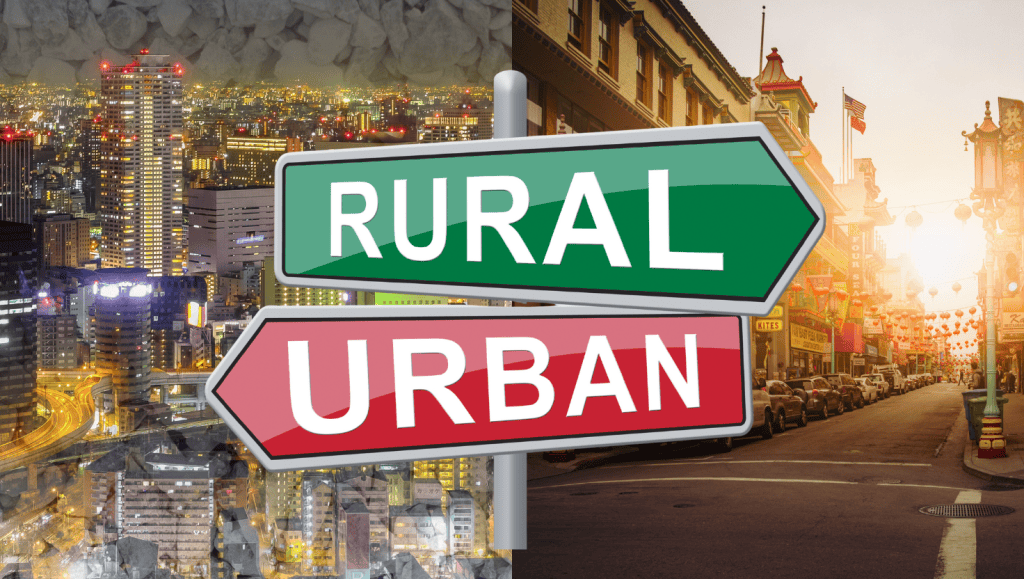
The allure of large cities often pulls people in. They promise endless chances, diverse cultures, and lively energy. Yet, for many, the constant noise, high living costs, and fast pace eventually lead to a wish for a quieter, more community-focused way of life. The change from a huge city to a charming small town is a big move. It brings its own set of rewards and difficulties. This article will show you what to expect when you make this big shift. We will cover practical things and personal changes. This helps make your experience smoother and more satisfying.
Making a move from a big city to a small town can feel like stepping into a new world. Daily life moves slower. Social circles are often closer. The surrounding nature feels much bigger. Peace and quiet might be the main reason for your move. Still, knowing the small details of this lifestyle change is key for a good move. This guide will look at the main parts of small-town living. These often surprise city folks. We’ll give helpful advice to help you fit in and do well in your new home.
The Pace of Life: Embracing a Slower Rhythm
Life in a small town moves at a different speed. The rush of big city life fades away. Here, you’ll notice more calm in your day. This section helps you get used to a less hectic daily rhythm.
Less Hustle, More Hygge
Big cities often mean you’re always on the go. There’s a constant need to rush. Small towns offer a slower pace. Think of it as less hustle and more “hygge,” a Danish word for a cozy, content feeling. You might find more time for simple joys. This could be a morning coffee on your porch or a long walk. At first, this slower speed might feel odd. You might miss the constant buzz. But soon, you can enjoy the quiet and a deeper sense of ease.
Community Events and Local Gatherings
Small towns love their community events. These are often the heart of social life. Expect local festivals, farmers’ markets, and town picnics. These events are great ways to meet people. They are often how folks get together and have fun. These gatherings become central to making friends and feeling like you belong. They show off the town’s spirit.
Transportation and Commuting
Getting around is different in a small town. You’ll find way less traffic. Most people use their own cars. Public transportation might be limited or not exist. Distances to stores or doctors could mean longer drives. You might also find yourself walking or biking more for short trips. It’s a good idea to think about how you will get to places before you move.
Cost of Living and Housing: Financial Realities
Moving from a pricey city often means better financial news. Small towns can offer a lot of savings. Let’s look at the money side of things.
Affordable Housing Options
Housing costs are usually much lower in small towns. This applies to both buying a home or renting. You might find you can get a bigger house. Or perhaps a yard for the same money you paid for a tiny city apartment. This can free up money for other things. Many people find they get more space and comfort for their budget.
Daily Expenses: Groceries, Utilities, and Services
Everyday costs can vary. Groceries might be cheaper at local stores. But special items could be harder to find. Utilities might be similar or slightly less. However, some special services, like certain doctors or unique shops, might be far away. You might need to drive to a bigger town for them. This means factoring in travel costs for some needs.
Job Market and Economic Opportunities
The job market in smaller towns has its own facts. There might be fewer job types than in a city. This could mean you need to change your career path. Or, many people find success with remote work. This allows them to keep their city job while living in a small town. Generally, median incomes in small towns can be lower than in big city areas. Also, job openings might take longer to appear. It’s smart to have a plan for work before you move.
Social Dynamics and Community Integration
Small towns have a unique social feel. Getting to know people is key to feeling at home. Let’s explore how to become a part of your new community.
Building Connections in a Close-Knit Environment
Relationships in small towns are often more personal. People tend to know their neighbors well. Building friendships here means being open and friendly. Start by saying hello to people you see often. Join local groups or clubs. People are usually happy to meet new faces. Be ready for conversations and to share stories.
Navigating Local Culture and Traditions
Every small town has its own ways. There are local customs and traditions. These might be yearly events or unspoken rules about how things are done. It’s smart to watch and learn. Show respect for these traditions. This helps you fit in faster. Ask questions if you’re not sure about something. Being respectful goes a long way.
Finding Your Niche: Hobbies and Social Groups
Look for activities that interest you. Small towns often have clubs or groups for different hobbies. You might find a book club, a hiking group, or a craft circle. Volunteering is another great way to meet people. Help out at the library or a local charity. Finding things you like to do with others helps you build your social circle.
Access to Amenities and Services: What to Expect
It’s good to know what will be available in your new town. Big cities offer a lot of choices. Small towns are different in terms of goods, services, and fun things to do.
Shopping and Dining: Local vs. Big Box
You’ll likely find fewer big chain stores. Instead, small towns often have unique local shops. Farmers’ markets are common for fresh food. Dining options might be less varied than in a city. Expect more family-owned restaurants. You might not find as many types of food. But the local places often have great charm and service.
Healthcare and Specialized Services
Healthcare access can be a bit different. Small towns usually have general doctors. But getting to specialists might mean a drive to a larger town nearby. It’s wise to check out healthcare options before you move. If you have specific medical needs, plan how you’ll get care. Knowing this ahead of time saves worry.
Entertainment and Cultural Opportunities
Entertainment might not be what you’re used to. Big cities have museums, theaters, and many music venues. Small towns often focus on local events. This could be outdoor concerts in the park or community plays. You might find more opportunities for nature activities like hiking or fishing. The fun is often tied to the town’s unique character.
Personal Adjustments and Mindset Shifts
Moving to a small town asks for some inner changes. Getting ready mentally helps a lot. This section focuses on these shifts for a good move.
Embracing Simplicity and Nature
One big change is a chance to live simpler. You might feel more connected to nature. Many small towns are surrounded by beautiful landscapes. You’ll likely spend more time outdoors. Things that seemed small before, like a quiet evening, can become big joys. It’s about finding happiness in everyday moments.
Overcoming Loneliness and Isolation
It’s common to feel a bit lonely at first. Especially if you’re used to constant city interactions. To beat this, make plans to be social. Join local clubs or groups right away. Look for online communities for new residents. Don’t be afraid to reach out to new people. Building a new social life takes some effort and time.
Finding Your “Why”: Re-evaluating Priorities
Think about why you wanted to move. What did you hope to gain? This helps you adjust. You might find your priorities shifting. Perhaps you value peace over endless options now. Align your daily life with these new goals. This helps you feel more content and settled in your new small town home.
Conclusion: Thriving in Your New Small Town
Moving from a big city to a small town is a significant step. It brings chances for a different, often calmer, way of life. Knowing what to expect makes the change much easier. You can find deep satisfaction in a close community.
Key Takeaways for a Smooth Transition
For a smooth move, be patient with yourself. Be open-minded to new ways of doing things. Actively engage with your new neighbors and local happenings. Getting involved helps you feel like you belong. Remember, building a new life takes time.
Embracing the Small-Town Lifestyle
Small-town living offers unique benefits. It can lead to a more relaxed pace. You might find stronger community ties and a greater connection to nature. Embrace the unique charm. Discover the simple pleasures. Your new small town can truly become a place where you thrive and build a fulfilling life.
Need Some Assistance With An Upcoming Move?
Discover why Hill’s has been the go to moving partner by countless families and businesses across the Durham Region for over 18 years. To book an upcoming move please click here.