
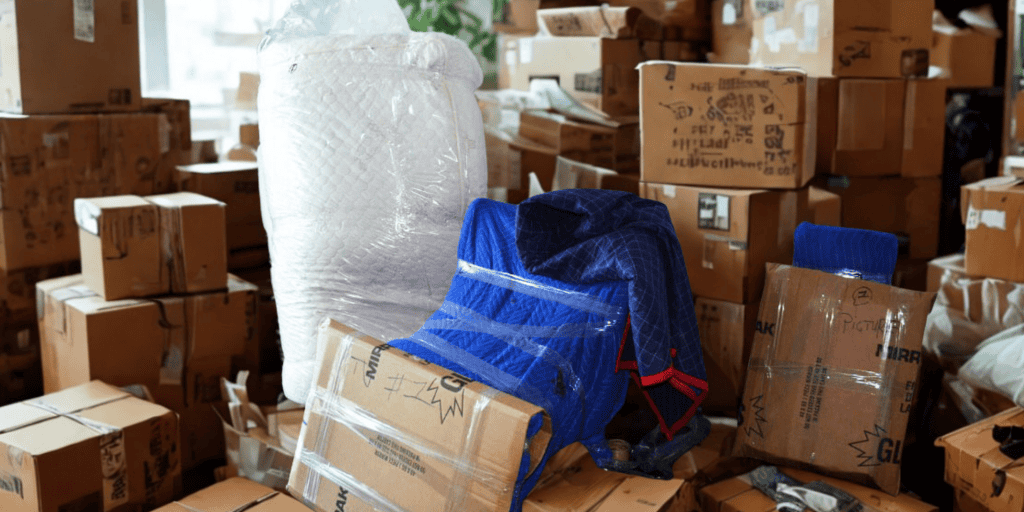
Imagine wrestling a grand piano down a narrow staircase. Or wrapping an antique vase that could shatter with one wrong bump. Moving large, fragile, or specialty items turns a simple relocation into a nerve-wracking puzzle. Standard boxes and tape just won’t cut it for these treasures. You need smart strategies to keep them safe.
This guide gives you expert tips on packing and moving these high-stakes pieces. We’ll cover everything from assessing your stuff to loading the truck right. With proper prep, your valuables arrive intact, and your stress stays low. Think of it as turning chaos into a smooth plan, far beyond basic box stuffing.
Section 1: Strategic Assessment and Inventory Before Packing Begins
Before you touch a single item, take stock. Rushing leads to mistakes. A clear inventory sets you up for success.
Identifying True Specialty Items vs. Oversized Boxes
Not every big box counts as specialty. Look for pieces that demand extra care. Does it need cool temps to avoid cracks? Or custom wood crates for protection?
Classify items by key signs. They might weigh more than two people can lift easily. High replacement cost screams specialty too, like a rare vase worth thousands. Fragile glass or electronics with sensitive parts fit here.
Snap high-res photos from all angles. Record videos of working parts, like a TV turning on. This proves condition for insurance claims. Keep files handy on your phone.
Measuring and Mapping Access Points
Grab a tape measure first. Note height, width, and depth for each item. Compare to your door frames, stairs, and truck ramp.
Stairs with tight turns? Plan disassembly. Note where bolts go for quick reassembly. Proprietary parts, like odd screws on a desk, get labeled.
Test the path dry run. Walk the route with a similar-sized box. This spots snags early. Adjust plans to avoid forced tilts or squeezes.
Understanding Valuation and Insurance Implications
Carrier coverage often falls short for valuables. It might cap at 60 cents per pound. Buy third-party insurance for full value on specialty goods.
Check item warranties before you move. Some appliance makers void coverage if you tip units wrong. Gas stoves need pro handling to keep guarantees alive.
List values honestly. Add appraisals for antiques. This ensures fair payouts if damage happens. Peace of mind comes from being covered right.
Section 2: Expert Packing Techniques for Fragile Assets
Fragile items break easy. Use layers of protection. Smart packing keeps them whole.
Mastering the Double-Boxing Method for Electronics and Glassware
Start with clean wraps. For TVs or lamps, use anti-static bubble wrap to fight static zaps. Layer it thick, no gaps.
Nestle the wrapped piece in a snug inner box. Fill voids with dense foam sheets. Crumpled paper works too, but pack it firm.
Place that inner box dead center in a bigger outer one. Pad sides with more foam or blankets. Seal tight. This setup absorbs shocks like a pro.
Double-boxing shines for glassware sets. Inner box for each piece, outer for the group. Label “Fragile – This Side Up” in bold.
Securing Artwork, Mirrors, and Framed Documents
Tape an X on glass to catch cracks. Use glassine paper next, it won’t stick or yellow. Add foam corner guards for edges.
For canvases, skip direct cardboard touch. It traps moisture. Wrap in acid-free paper, then bubble wrap loose.
Crate big mirrors in mirror boxes. These have built-in dividers. For docs, flat file boxes with silica packs fight humidity.
Historical papers need extra. Roll posters gently, never fold. Store upright to avoid creases.
Protecting Finished Wood Surfaces and Antiques
Dust furniture first. Wrap in clean blankets to guard against scratches. Stretch wrap holds it, but skip tape on wood.
For carved details, pad knobs and edges separate. Use soft cloths under hardware. This prevents dings.
Antique tables get upright moves if possible. Lay flat risks warping. Climate control bags help in humid spots.
Humidity foes like old chairs need vents in wraps. Check local weather for the trip.
Section 3: Specialized Handling for Unique and Heavy Objects
Heavy or odd-shaped items test your limits. Get help when needed. Proper tools make it safe.
Moving Musical Instruments: Pianos and Guitars
Grand pianos start with leg removal. Secure the lid shut with straps. Use a skid board for sliding, not dragging.
Upright models roll on piano dollies. Strap the body firm. Pros handle tuning pins to avoid pitch shifts.
Guitars loosen strings first. This eases neck strain. Pack in hard cases with humidifiers inside.
For violins, bubble wrap the body light. Keep bows separate in tubes. Label cases clearly.
Safely Relocating High-End Appliances and Fitness Equipment
Drain fridge lines fully. Tape doors with padding under tape spots. This stops door swings and seal damage.
Treadmills fold and lock. Secure belts with straps. Drain any oil from weights.
Gas ranges call for pros. They cap lines safe. Built-ins need custom dollies for slides.
Dryers and washers upright only. Tip them wrong, and compressors fail. Use appliance straps for lifts.
Transporting Bulky, Irregular Items (Sculptures, Trophies, Safes)
Safes bolt to pallets first. Custom crates for sculptures over 100 pounds. Ratchet straps over pads work for lighter trophies.
Weight spreads even on dollies. Lifting harnesses share the load, not just backs.
For odd shapes like statues, foam molds fit curves. Secure to truck walls. Avoid stacking.
Marble pieces need blankets only, no plastics that trap heat.
Section 4: Loading, Transportation, and Unloading Protocols
Truck loading sets the tone. Balance right for a steady ride. Unload with the same care.
The Weight Distribution Hierarchy in the Moving Truck
Heaviest go floor level, over axles. Safes and fridges anchor there. They stop truck sway.
Crate next, mid-height. Fragile on top, strapped light. This pyramid keeps balance.
Wall ties beat cab pushes. Items shift less. Check ties every stop.
Securing and Strapping Techniques for Zero Movement
Load bars span the truck width. Ratchet straps cinch items down. Friction mats under stop slips.
For box stacks, crisscross straps. Freestanding like pool tables get four-way ties. Anchor to frame.
Rug runners grip floors. Test pulls before drive off. Zero play means safe arrival.
Hiring Specialized Carriers vs. Full-Service Movers
White-glove services shine for art collections. They crate and insure on site. Costs more, but zero risks.
Standard movers work if they check off your list. Ask: “Moved a 600-pound safe lately?”
Probe experience. “How do you handle piano legs?” Good answers build trust.
Compare quotes. Specialty haulers often save on claims.
Conclusion: The Peace of Mind Investment
Moving large, fragile, or specialty items demands thought. From inventory snaps to strap checks, each step counts. You dodge damage and headaches with these tips.
Prep turns worry into wins. Invest time now, save cash later on fixes. Your stuff stays priceless.
Ready to move? Trust a local mover that’s been serving the Durham Region for over 20 years. Call 647-573-4607 and speak with a Hills Moving Professional today.